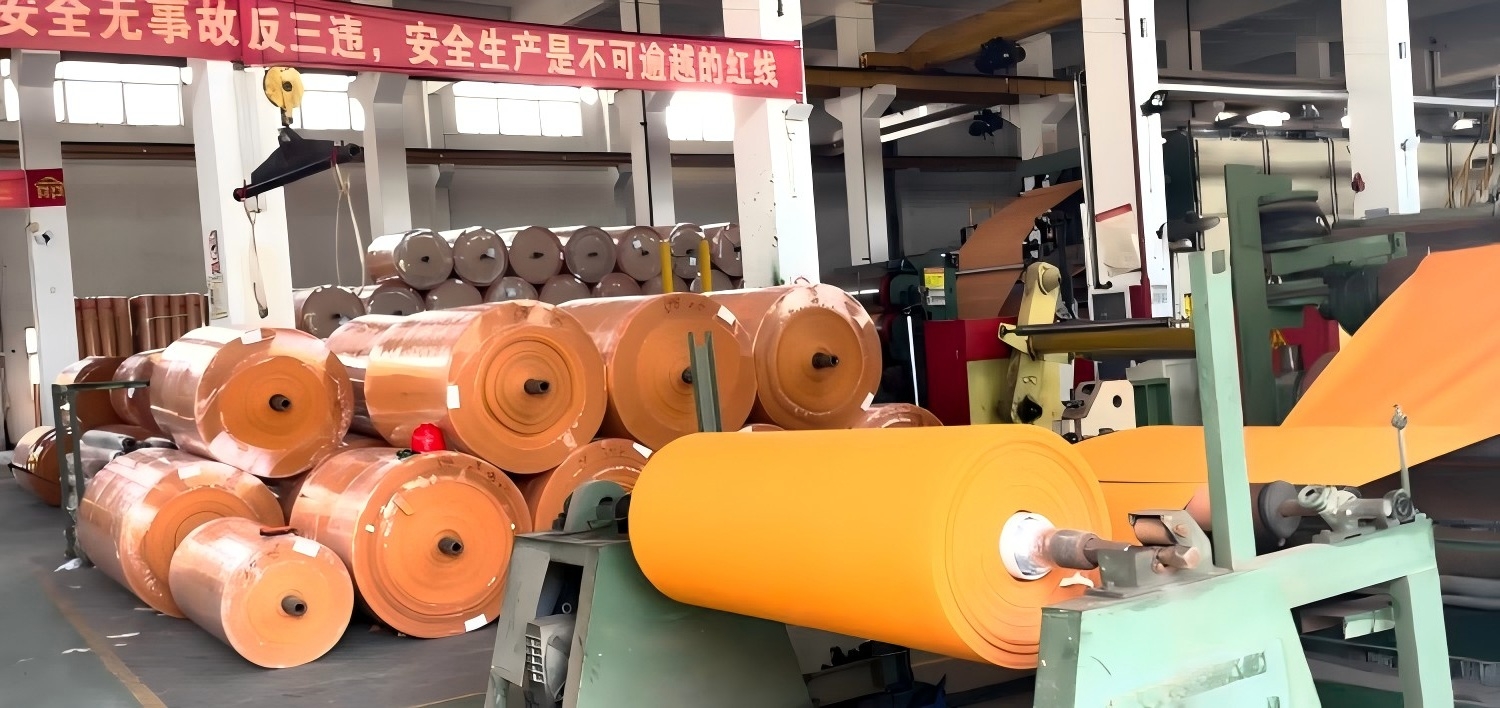
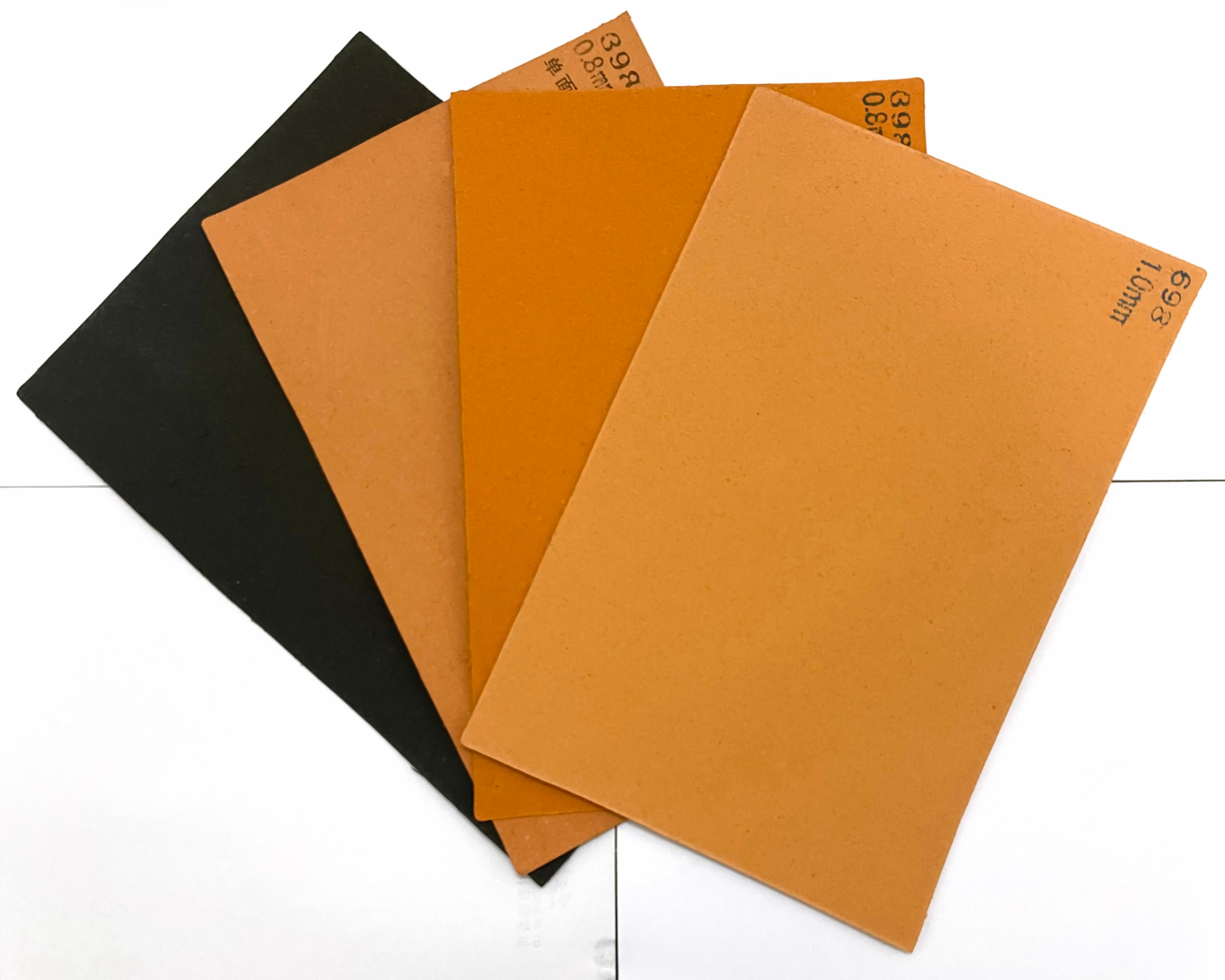

**Leather Board**, also known as reconstituted leather, is a high-value-added product made by crushing and processing tannery waste and scraps generated during leather goods manufacturing. It possesses high tensile strength and is available with various surface finishes, such as single-smooth, double-smooth, striped, and non-grained.
**Characteristics**
Leather board has the following characteristics:
- **High Elasticity**: Leather board is highly elastic and flexible, remaining intact even after repeated bending.
- **Moisture Resistance**: In humid environments, Leather board experiences minimal linear dimensional changes and is less prone to breaking after repeated bending, demonstrating excellent durability.
- **Process Adaptability**: Leather board is easy to process and can achieve various aesthetic effects through procedures such as embossing, printing, and PU lamination.
**Applications**
Leather board is widely used in multiple fields:
- **Packaging Materials**: Used for wrapping paper, envelopes, paper bags, etc.
- **Furniture and Leather Goods Manufacturing**: Serves as an intermediate layer to add stiffness to leather materials, commonly used in high-end leather goods, leather shoes, and furniture.
- **Book Covers**: Used for making covers of high-quality books.
**Pricing and Market Conditions**
The price of Leather board is slightly higher than that of ordinary cardboard. However, due to its excellent performance, it is increasingly being accepted and used by high-quality leather goods producers. Particularly in the export processing sector, the demand forLeather board continues to grow, and the market supply falls short of demand.